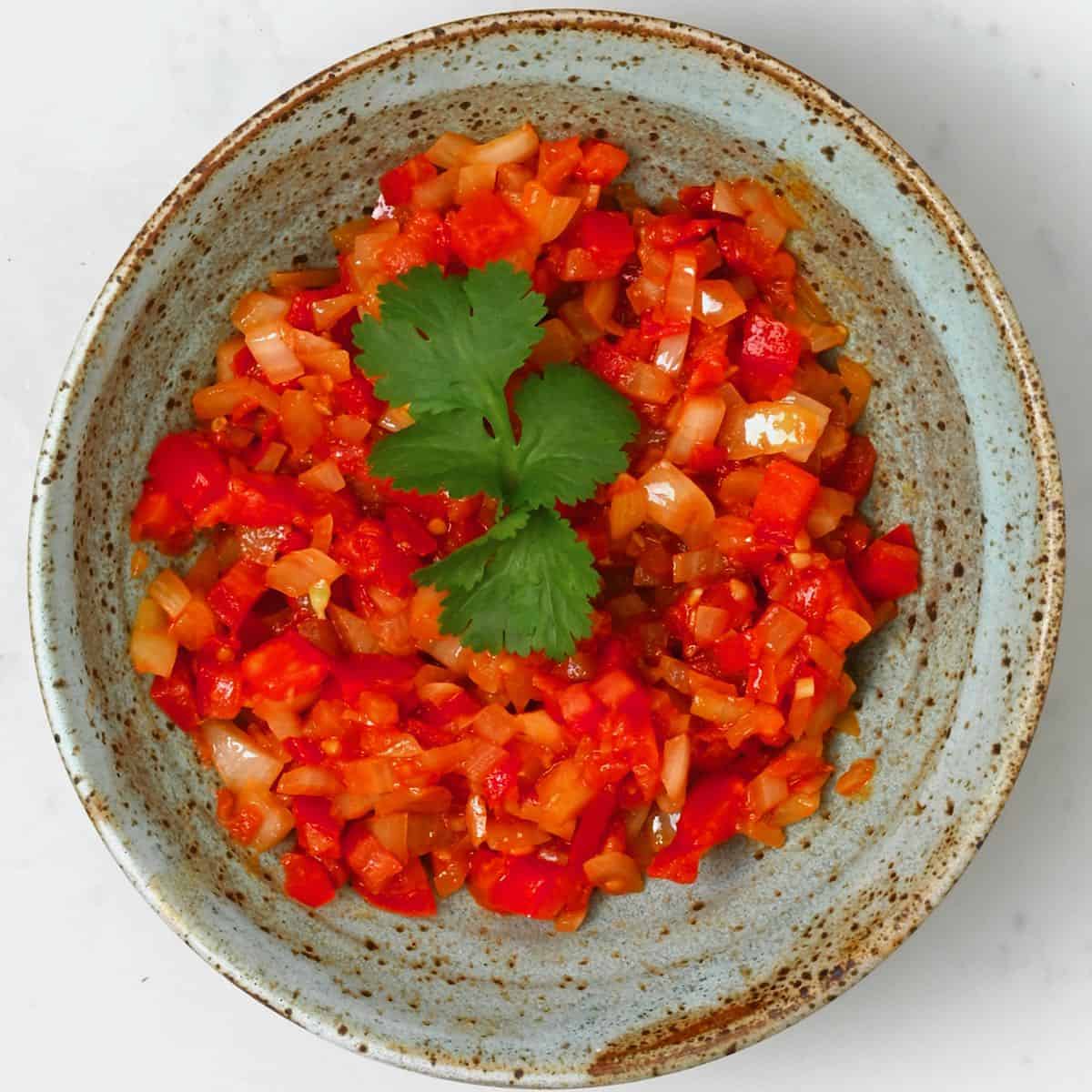
What is Hogao? Colombia's Simple Tomato & Onion Soffrito
In the vibrant tapestry of Colombian cuisine, few ingredients are as fundamental and versatile as Hogao. This deceptively simple sauce, often described as Colombia's answer to the Spanish soffrito, is a cornerstone of countless traditional dishes. Made primarily from ripe tomatoes and onions, slow-cooked to perfection, Hogao transcends its humble origins to become a flavor powerhouse—equally at home as a lively dipping sauce or a rich, aromatic base for more complex recipes. If you're eager to unlock authentic Colombian flavors in your kitchen, understanding how to make hogao colombian creole sauce is an essential first step.
At its heart, Hogao is a cooked salsa, but to simply call it that would be an understatement. Unlike fresh salsas such as Pico de Gallo, Hogao benefits from a gentle cooking process that melds and deepens the flavors, creating a more sophisticated and lasting condiment. The name "Hogao" itself is said to derive from the Spanish verb "ahogar," meaning "to drown," a poetic nod to the traditional method of slowly simmering the ingredients until they're tender and immersed in their own juices. This transforms raw vegetables into a rich, savory emulsion that sings with the taste of Colombia.
The Heart of Colombian Cuisine: Why Hogao is Essential
Hogao isn't just a sauce; it's a culinary philosophy woven into the fabric of Colombian meals. Its widespread use speaks volumes about its importance. You simply can't enjoy classic dishes like crispy tostones or patacones (fried green plantains) without a generous dollop of Hogao for dipping. But its utility extends far beyond a mere condiment. Hogao serves as the aromatic foundation for a vast array of Colombian recipes, imparting a signature depth and zest that is instantly recognizable.
Consider its role as a soffrito: much like the French mirepoix or Italian battuto, Hogao is the initial aromatic blend that kickstarts many savory preparations. It provides a savory backbone for:
- Soups and Stews: Lending body and flavor to sancocho, ajiaco, and various bean stews.
- Rice Dishes: Elevating simple rice into flavorful creations, often mixed in or used to sauté other ingredients.
- Meat and Poultry: Forming the base for braises, marinating chicken, or simmering beef.
- Breakfast Staples: Enhancing eggs (think huevos pericos, scrambled eggs with Hogao), or served alongside warm arepas.
- Empanadas and Arepas: A crucial filling component or a vibrant topping.
The beauty of Hogao lies in its ability to amplify the natural flavors of other ingredients while introducing its own comforting, savory notes. Its cooked nature also means it keeps longer than fresh salsas, making it a convenient staple to have on hand for impromptu Colombian culinary adventures.
Crafting Your Own Hogao: Ingredients and Variations
The magic of Hogao truly lies in its simplicity. With just a few core ingredients, you can conjure a sauce that's both comforting and profoundly flavorful. However, like many traditional recipes passed down through generations, there are countless regional and family variations, each adding its unique touch. Learning how to make hogao colombian creole sauce allows for personal expression through these subtle adjustments.
The Essential Building Blocks:
- Tomatoes: The star of the show. Opt for the ripest, most flavorful vine-ripened tomatoes you can find. Their sweetness and acidity are crucial for the sauce's balance.
- Onion: White onions are commonly used, providing a sharp but mellow flavor when cooked down. Alternatively, many traditional recipes exclusively use green onions (scallions), which offer a milder, slightly sweeter onion flavor that some prefer. Experiment to find your favorite!
- Olive Oil (or neutral cooking oil): A good quality olive oil enhances the flavor, but avocado oil or coconut oil also work well for a neutral base. The oil facilitates the slow cooking process, allowing the vegetables to soften and caramelize gently.
- Salt: Essential for seasoning and bringing out the natural flavors of the vegetables. Some cooks use a touch of bouillon powder for an extra savory kick.
Optional Add-ins and Flavor Enhancers:
Once you have the basics down, you can explore the exciting world of variations:
- Garlic: A beloved addition for many, garlic adds an extra layer of pungency and depth. Start with 1-3 minced cloves, adjusting to your preference.
- Cumin: A classic Colombian spice, about ½ teaspoon of ground cumin can transform the flavor profile, adding earthy warmth.
- Paprika: While more common in some other Latin American cuisines, a pinch of paprika can lend a lovely color and subtle sweetness, especially if you enjoy the Dominican Republic's sofrito style.
- Chili Powder/Aji: For those who appreciate a gentle kick, a dash of chili powder (or even fresh ají for authentic heat) can be a welcome addition, though not strictly traditional in all Hogao versions.
- Fresh Herbs: Finely chopped cilantro or parsley added in the last minute or two of cooking provides a burst of freshness and vibrant aroma. About ¼ cup is a good starting point.
The consistency of Hogao can also vary. A truly traditional Hogao is cooked down slowly until it's almost a thick, emulsified paste—this is the "drowned" version, perfect as a robust base. However, for dipping patacones, many prefer a slightly brighter, chunkier, salsa-like consistency, achieved with a shorter cooking time. Both are delicious, and your preference will often depend on its intended use.
Step-by-Step Guide: How to Make Hogao Colombian Creole Sauce
Embarking on the journey of how to make hogao colombian creole sauce is surprisingly straightforward. This recipe focuses on a balanced, versatile version that works equally well as a dip or a base.
Ingredients You'll Need:
- 2-3 ripe vine-ripened tomatoes
- 1 large white onion (or 3-4 green onions/scallions)
- 2-3 tablespoons olive oil
- Salt to taste
- Optional: 2 cloves minced garlic, ½ tsp cumin, ¼ cup chopped cilantro
Instructions:
- Prepare Your Vegetables: Begin by washing your tomatoes thoroughly. Then, peel the onion. Finely dice both the tomatoes and the onion. The key here is consistency in dicing; smaller, more uniform pieces will cook down more evenly and quickly. If using green onions, finely chop both the white and green parts.
- Heat the Oil: In a medium to large skillet or pan, heat the olive oil over medium heat. Allow it to shimmer slightly, indicating it's ready.
- Sauté the Onions: Add the finely diced onions to the hot oil. Sauté gently, stirring occasionally, until they become translucent and very soft, about 5-7 minutes. Do not rush this step, as properly softened onions are crucial for the base flavor. If you're using garlic, add it during the last minute of onion cooking until fragrant, being careful not to burn it.
- Add the Tomatoes and Spices: Stir in the finely diced tomatoes. If using optional spices like cumin or paprika, add them now. Mix everything well.
- Simmer to Perfection: Reduce the heat to medium-low. Allow the mixture to simmer gently, stirring occasionally, for 10-15 minutes. For a traditional, thicker "drowned" Hogao, you might simmer it for up to 20-25 minutes, allowing the liquids to reduce significantly and the flavors to deepen. For a brighter, slightly chunkier salsa-like consistency (ideal for dipping), a shorter simmer is sufficient. The vegetables should be very soft and well-integrated.
- Season and Finish: Season generously with salt to taste. This is where you adjust the flavor to your liking. If using fresh herbs like cilantro, stir them in during the last minute of cooking for maximum freshness.
Your homemade Hogao is now ready! It can be served immediately, or stored for later. For a quicker version that's perfect for dipping right away, check out our guide on Easy Hogao: Make Colombian Creole Sauce in 10 Minutes.
Serving Suggestions & Beyond
The versatility of Hogao truly shines when you start exploring its myriad applications. Whether you're looking for a simple dip or a complex flavor base, Hogao delivers.
As a Dipping Sauce or Topping:
- Classic with Plantains: The undisputed champion pairing is with crispy patacones or tostones.
- Arepas: Spoon it onto warm, cheesy arepas for a delightful breakfast or snack.
- Eggs: Transform scrambled or fried eggs into a Colombian feast.
- Rice & Beans: A spoonful over plain white rice or a bowl of creamy Colombian beans is pure comfort.
- Grilled Meats: A vibrant condiment for steak, chicken, or fish.
- Empanadas & Pastries: The perfect tangy counterpoint to savory fried treats.
As a Culinary Base:
- Soups & Stews: Sauté your Hogao first before adding liquids and other ingredients for a rich foundation.
- Rice Dishes: Use it to build flavorful rice dishes, whether with chicken, pork, or vegetables.
- Braises: The slow-cooked nature of Hogao makes it ideal for tenderizing and flavoring braised meats.
- Beans: It's the secret to truly authentic Colombian bean preparations.
Storage Tips: Hogao stores beautifully. Once cooled, transfer it to an airtight container and refrigerate for up to 5-7 days. For longer storage, you can freeze Hogao in ice cube trays or small portions for up to 3 months. This makes it incredibly convenient to have on hand for a quick weeknight meal or a flavorful addition to any dish.
To explore the full spectrum of its applications, from simple dipping to complex culinary creations, delve into Unlock Colombian Flavors: Hogao for Dipping and Cooking.
Conclusion
Hogao is more than just a sauce; it's an invitation to experience the warmth, simplicity, and profound flavors of Colombian cuisine. From its humble origins as a slowly simmered blend of tomatoes and onions, it transforms into an indispensable ingredient that elevates everything it touches. Learning how to make hogao colombian creole sauce is a truly rewarding culinary endeavor, opening the door to countless delicious possibilities. So, gather your fresh ingredients, embrace the low and slow cooking process, and prepare to infuse your kitchen with the authentic taste of Colombia.
